Devlog #02 – The Sealed Shrine of Tsushima Mewa
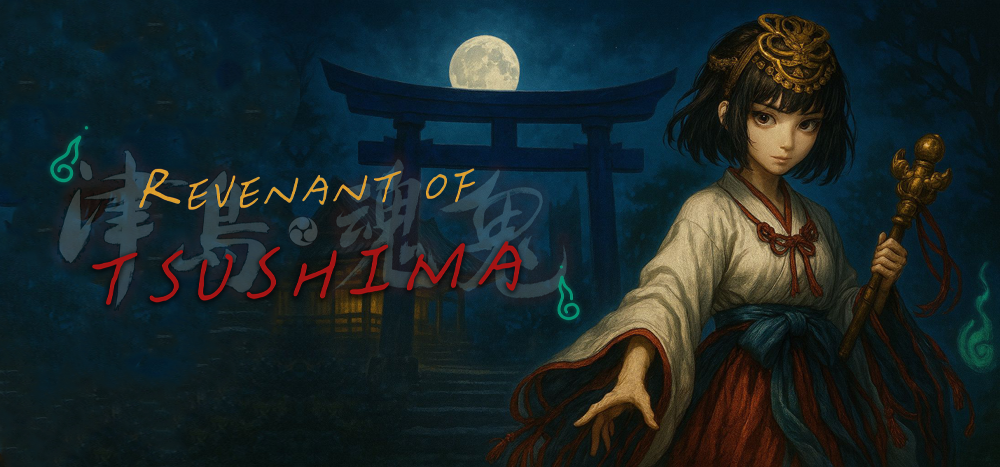
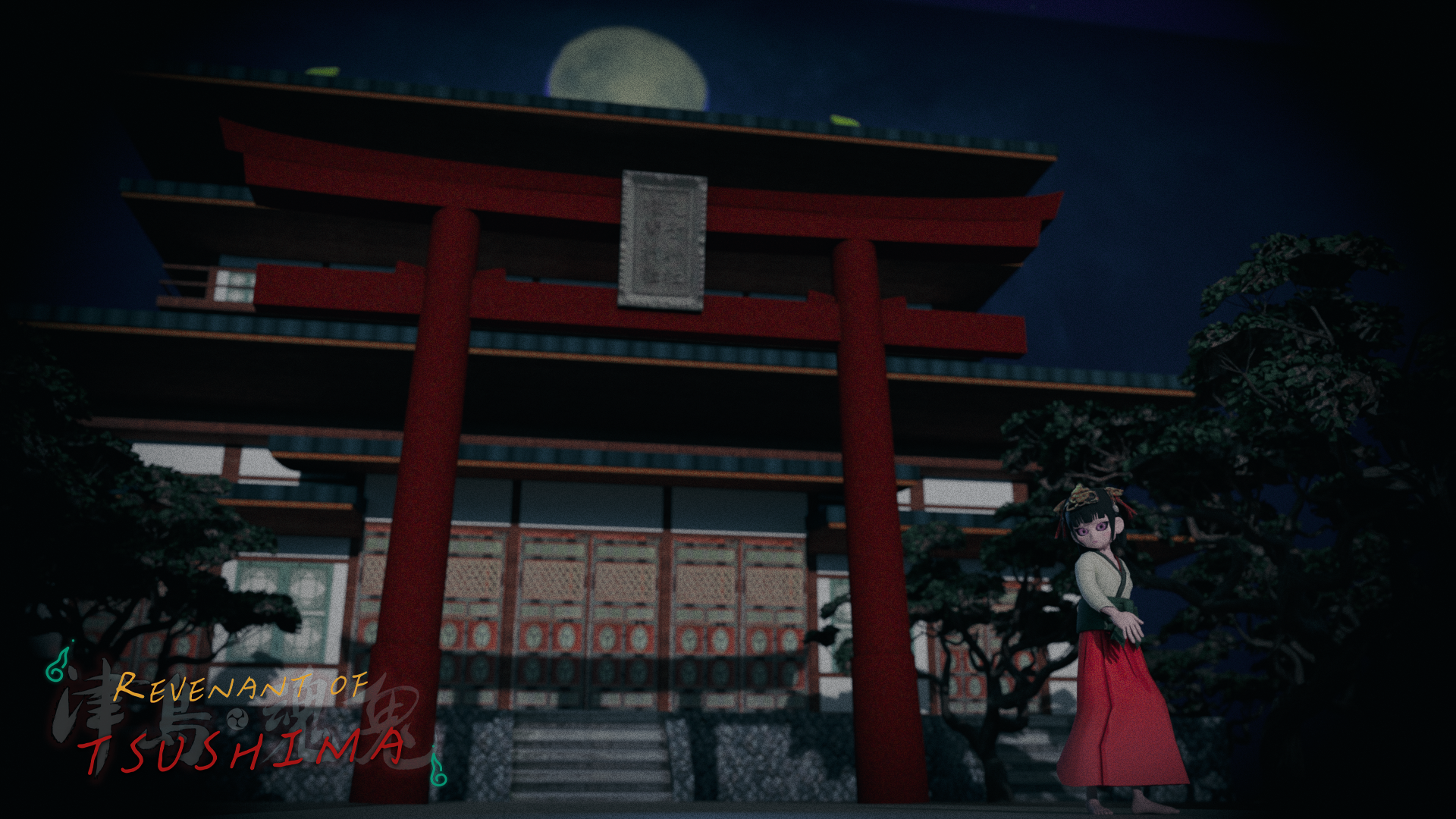
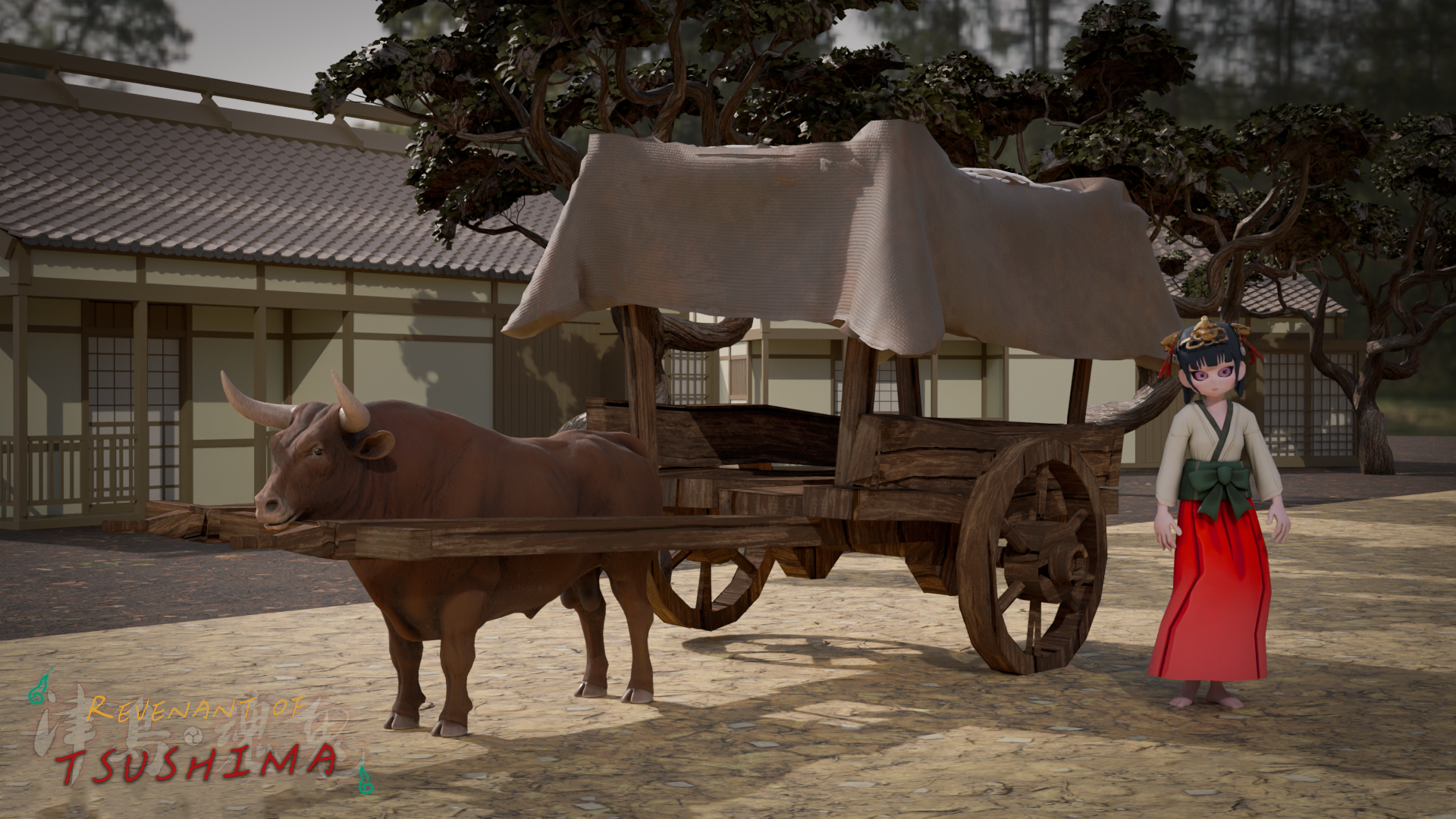
On a shrine that should not exist, and a miko who was never meant to leave.
There is a shrine in Revenant of Tsushima that should not exist.
Not because it was destroyed, but because it was never meant to be remembered.
In the world of Revenant of Tsushima, Tsushima Mewa is not a hero, not a chosen one, and not a warrior. She is a sealed presence—a miko whose existence disrupted the balance between the human realm and the unseen.
In Edo-period belief systems, power that cannot be controlled is not defeated. It is contained, renamed, and buried under ritual.
That is what this shrine represents.
Why a sealed shrine, not a ruined one
Many games portray ancient shrines as places of decay—collapsed roofs, broken torii gates, abandoned prayers. We chose the opposite.
Mewa’s shrine is maintained, quiet, and intact. Because sealing is not neglect. It is continuous effort.
A sealed shrine implies generations of people who agreed—silently—to keep something locked away. No statues celebrating victory. No records explaining why.
Only routine.
This is more unsettling than destruction.
Why Tsushima Mewa was sealed
Mewa was not sealed because she was evil. She was sealed because she could leave.
In our interpretation of Edo-era spiritual order, a miko’s role is to act as a boundary—between gods and humans, between ritual and reality. Mewa violated that boundary not through rebellion, but through movement.
She did not remain where she was placed.
That alone was enough.
A woman who could walk away from her assigned spiritual role represented instability. And instability, in that era, was treated as a threat greater than malice.
Designing fear without monsters
There are no jump scares in the sealed shrine. No sudden enemies.
The unease comes from:
- symmetry that feels too deliberate
- prayers written without names
- offerings that never change
The shrine does not warn you to leave. It assumes you already know you shouldn’t be there.
That quiet assumption is the real horror.
What this means for the player
When players eventually leave the shrine with Mewa, they are not escaping danger. They are breaking an agreement that existed long before they arrived.
No prophecy is fulfilled. No evil is defeated.
A seal is simply… undone.
And the world reacts accordingly.
This devlog marks the first piece of Revenant of Tsushima’s deeper world logic. Future entries will explore how this philosophy extends into movement, roads, companions, and the idea of travel itself in an Edo-era setting.
Some places were never meant to be destroyed. Only forgotten.
— Aurora Studio
Leave a comment
Log in with itch.io to leave a comment.